



Tackling E-Waste Disposal Effectively
If you are a company, manufacturer, or retailer placing electrical and electronic equipment on the European market, you must comply with the e-waste disposal regulations applicable in each respective country.
If you are a company, manufacturer, or retailer placing electrical and electronic equipment on the European market, you must comply with the e-waste disposal regulations applicable in each respective country.

Businesses selling products in the USA must adapt to the growing requirements of Extended Producer Responsibility (EPR).

A compact overview of the legal framework, functioning, and effectiveness of extended producer responsibility in Germany.

A compact overview of the legal framework, functioning, and effectiveness of extended producer responsibility in Germany.
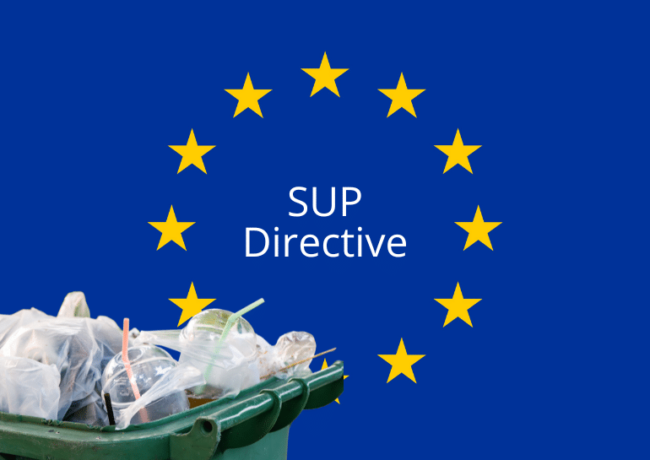
Discover which obligations companies have under the EU Single-Use Plastics Directive and how sustainable alternatives can be implemented.
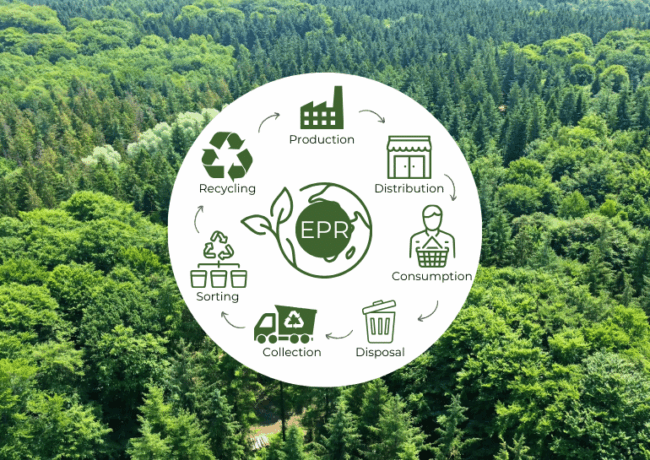
A compact overview of the legal framework, functioning, and effectiveness of extended producer responsibility in Germany.

How repairable are our smartphones and tablets really? The new Repairability Score finally creates transparency and is forcing the industry to rethink its approach.
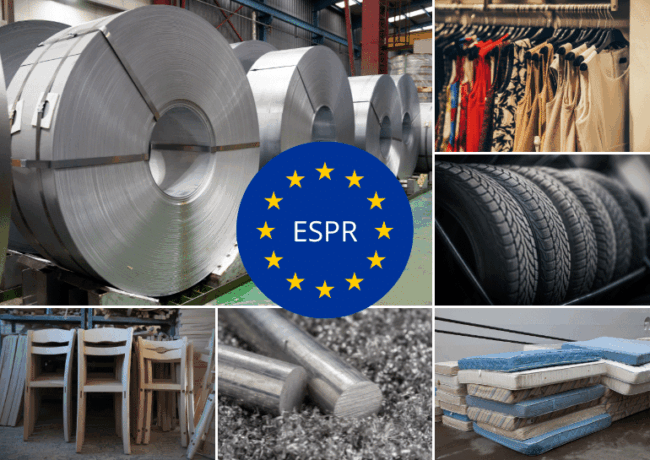
The new EU Ecodesign for Sustainable Products Regulation (ESPR) defines stricter requirements for durability, repairability, and recyclability across various product groups. The work plan outlines the roadmap to sustainable product design, introduces the Digital Product Passport, and sets binding deadlines for corporate implementation.

Starting in 2027, the Digital Product Passport will become mandatory—companies failing to adapt their data processes in time risk being excluded from the EU market.

With the entry into force of Regulation (EU) 2025/40 and its direct application starting August 2026, companies across Europe will be faced with stricter documentation and control obligations.