

EPR in the USA – A Major Challenge
Businesses selling products in the USA must adapt to the growing requirements of Extended Producer Responsibility (EPR).
Photovoltaic modules are essential to the energy transition but are also subject to strict legal requirements. As a manufacturer or distributor, you must register your products and ensure proper take-back and disposal. In Germany, these obligations are regulated under the Electrical and Electronic Equipment Act (ElektroG) to guarantee sustainable recycling.
Our Photovoltaic Service supports you with compliant registration of your PV modules and manages the entire process for you.
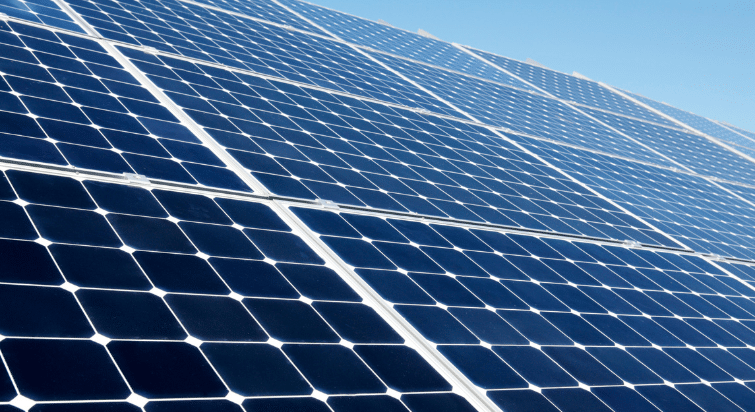
Since October 24, 2015, photovoltaic modules have been subject to the Electrical and Electronic Equipment Act (ElektroG) and thus fall under regulations for end-of-life electrical and electronic equipment. Registration of PV modules is not only a legal obligation but also a key step in environmental protection and sustainable resource management. Manufacturers and distributors risk fines and legal consequences if they fail to comply. Proper registration ensures that old modules are recycled and disposed of according to regulations—making a significant contribution to the circular economy.
Proper take-back and recycling of photovoltaic modules contribute significantly to the circular economy. Valuable raw materials such as glass, aluminum, and silicon are recovered and reused—resources that would otherwise require energy-intensive extraction. With our support, you not only fulfill legal requirements but also take action for environmental protection and corporate responsibility.
We handle the entire registration process for your photovoltaic modules, including:
As experienced service providers in environmental compliance, we ensure that your photovoltaic modules are registered correctly and on time. Beyond registration, we offer comprehensive consulting so that you’re fully aware of—and compliant with—relevant regulations.
Our mission is to simplify the process and ensure legal security. We also coordinate the collection and disposal of your PV modules, ensuring your products are recycled in an environmentally responsible and efficient manner. This helps you meet your take-back obligations while actively contributing to sustainability.

Businesses selling products in the USA must adapt to the growing requirements of Extended Producer Responsibility (EPR).
A compact overview of the legal framework, functioning, and effectiveness of extended producer responsibility in Germany.

A compact overview of the legal framework, functioning, and effectiveness of extended producer responsibility in Germany.
Discover which obligations companies have under the EU Single-Use Plastics Directive and how sustainable alternatives can be implemented.