

EU Battery Regulation: Registration, Recycling, and Passports
The new EU Battery Regulation has been binding since August 18, 2025, introducing far-reaching changes for manufacturers, distributors, and waste management operators.
We take full responsibility for your take-back obligations – legally compliant, sustainable, and worldwide.
Whether it’s electrical devices, batteries, or packaging: we ensure your company meets all requirements of the WEEE Directive, Packaging Directive, and Battery Directive.
From suitable collection containers to cross-border logistics and coordination with authorities – everything is centrally organized. This keeps your business on the safe side – in every market.

For many companies, recycling and responsible disposal of devices and packaging go beyond mere compliance. They are integral to their values and commitment to sustainable, environmentally friendly operations. That’s why we’re here to explore how your voluntary sustainability efforts can seamlessly align with the required take-back solutions.
Simply give us a call or send a non-binding inquiry.
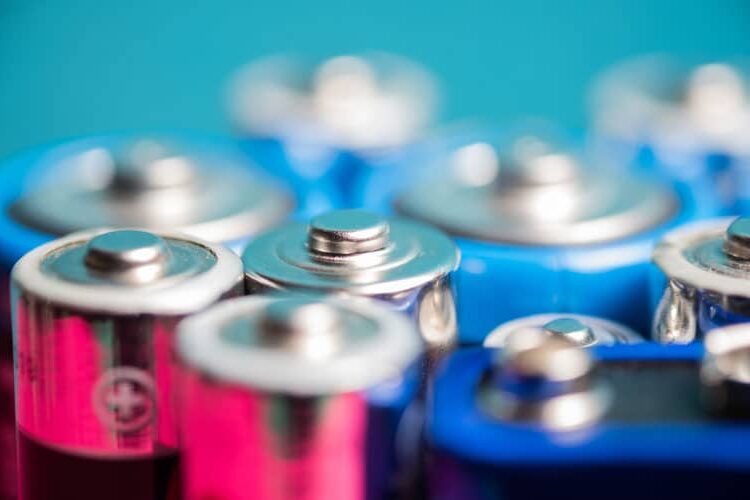
The new EU Battery Regulation has been binding since August 18, 2025, introducing far-reaching changes for manufacturers, distributors, and waste management operators.
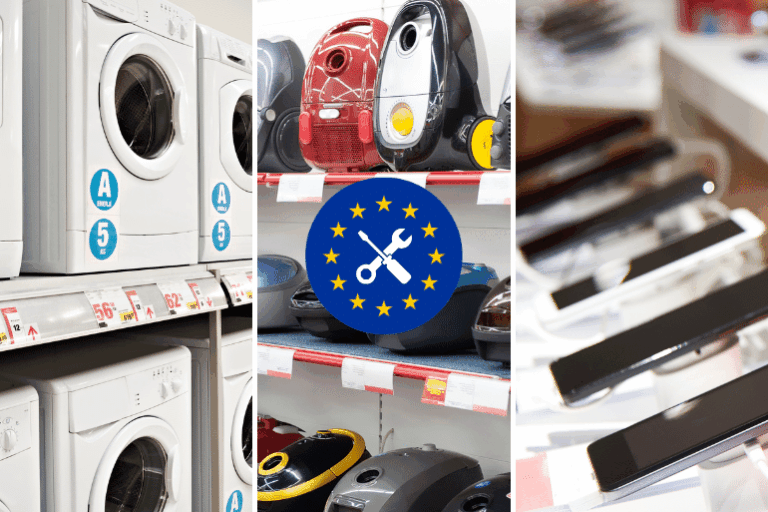
The EU Right to Repair is actively shifting legal liability onto international supply chains. Under the “importer cascade” rule, the strict mandate for 10-year spare parts availability automatically falls on European distributors if the manufacturer is based outside the EU.
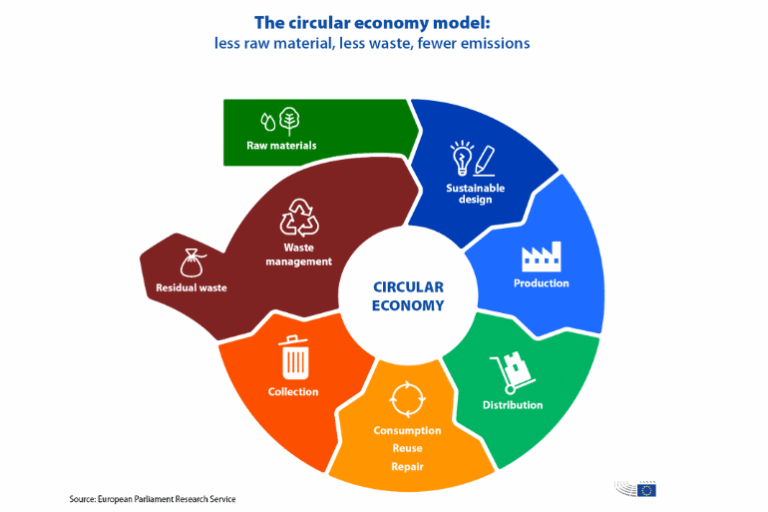
The EU Waste Framework Directive obligates manufacturers to assume Extended Producer Responsibility. With the 2025 amendment (new for textiles and food), this obligation for companies is shifting decisively forward—directly into product and packaging design.

With the upcoming Textile Act, Germany’s textile and fashion market is facing its biggest shake-up in decades.