

Environmental protection and the development of sustainable alternatives remain top priorities for the EU. The ESPR working plan is a pivotal tool in this effort, designed to ensure products are manufactured in a resource-efficient manner and to minimize environmental impact across their entire life cycle.
With the new Ecodesign for Sustainable Products Regulation (ESPR), the EU is significantly broadening the scope of its existing ecodesign framework. While regulations previously focused primarily on energy-related appliances, the ESPR working plan will now encompass a wide array of additional product categories. For businesses, this represents a fundamental shift in how products are designed, produced, and documented—requiring a proactive and highly organized response.
The Role of the ESPR Working Plan in EU Sustainability Policy
The ESPR working plan serves as the operational roadmap for implementing the new European Ecodesign Regulation. At its heart is a more holistic approach to sustainable product design. Moving forward, the focus shifts beyond mere energy efficiency during use to include critical factors such as material selection, repairability, and recyclability.
The ESPR working plan outlines which product groups will be regulated first and establishes the timelines for when specific requirements take effect. This initiative also aims to level the economic playing field by fostering fair competition, ensuring that manufacturers can no longer gain a cost advantage by using cheap, environmentally harmful materials in packaging and production.
Product Groups in the Crosshairs of New ESPR Requirements
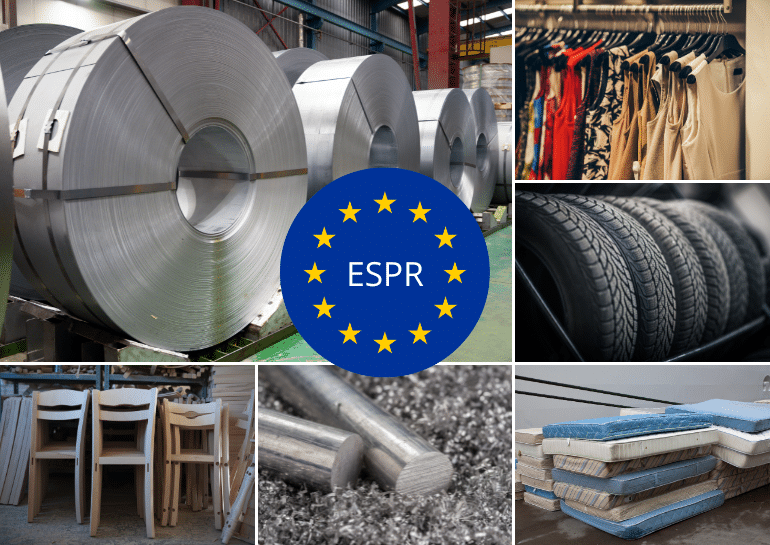
The current ESPR working plan has already prioritized several product categories, specifically identifying those that pose the most significant environmental risks.
Key areas of focus include:
- ESPR requirements for textiles and apparel
- ESPR requirements for furniture
- ESPR requirements for tires
- ESPR requirements for mattresses
These industries are characterized by high material consumption and complex supply chains. New design mandates aim to promote the use of durable materials and enhance circularity. In particular, EPR (Extended Producer Responsibility) for textiles and mattresses has become increasingly vital given the rise of fast fashion and disposable consumer goods.
Beyond finished consumer goods, the ESPR working plan also targets essential industrial intermediates such as iron, steel, and aluminum. These materials are foundational to numerous industries and account for a substantial portion of the European economy’s carbon footprint.
By consistently enforcing these rigorous standards, the EU ensures that materials are used, integrated, and recycled with intention. Ultimately, effective waste management is only possible if the right foundations are laid during the initial production phase.
ESPR Implementation Roadmap: What to Expect and When
The EU recognizes that the ESPR working plan cannot be implemented overnight. Consequently, a phased rollout is planned, categorized by product group. This transition period allows companies and manufacturers sufficient time to optimize their internal structures, source sustainable alternatives, and adjust pricing models accordingly.
Here is an overview of the projected timelines for the upcoming ESPR requirements:
- Iron and Steel: starting in 2026
- Textiles and Tires: approximately 2027
- Furniture and Aluminum: starting in 2028
- Mattresses: starting in 2029
In tandem with these product-specific rules, the EU will introduce “horizontal measures” that apply across multiple categories. A prime example is a standardized repairability scoring system, designed to make sustainability performance transparent for consumers and stakeholders alike.
Specific Requirements for Various Products
With the ESPR working plan, comprehensive criteria for evaluating sustainability are being introduced for a wide range of products for the first time. This not only heightens manufacturer responsibility but also necessitates more profound solutions to complement existing legislation, such as the Packaging Act or the Battery Act.
Key elements of the ESPR working plan include:
- Minimum requirements for durability and material efficiency
- Specifications for recyclability and recycled content
- Repairability ratings for selected consumer products
- Transparent environmental and carbon footprint data for products
- Digital documentation throughout the entire product life cycle
A central tool in this framework will be the Digital Product Passport (DPP). This digital information system is designed to contain all relevant sustainability data for a product. Moving forward, companies must use this tool to transparently document aspects such as material composition, environmental impact, or repair options. This ensures end-to-end documentation and full compliance with the directives.
Transitioning Existing Ecodesign Rules into the ESPR Working Plan
The ESPR working plan does not replace all previous regulatory frameworks; rather, it seeks a systematic integration to create a unified overall picture. Products already regulated under existing frameworks, such as the old WEEE Directive, will naturally be transitioned into the new structures. These include:
- Dishwashers
- Charging infrastructure for electric vehicles
- Refrigerators and freezers
- Electric motors
- Mobile devices such as smartphones and tablets
The ESPR working plan outlines further requirements for these groups, which will be defined more precisely over the coming years following detailed evaluation and analysis. For companies in the electronics sector, staying organized is essential.
Challenges and Opportunities – How ESPR Requirements are Changing the Game
The successful implementation of the ESPR working plan depends heavily on effective collaboration between industry, platforms, and authorities. For businesses, this involves a comprehensive alignment of internal processes with new environmental compliance standards.
International supply chains must also be scrutinized more intensely. Many products—such as electronics and apparel—are manufactured outside the EU and must therefore be verified for compliance upon import. Consequently, both the audit obligations for online marketplaces and the requirements for precise data collection are being increased.
Digital tools for automated life cycle assessment (LCA) are also becoming increasingly important. These ensure that you can implement ESPR requirements directly and maintain legal compliance.
Why the ESPR Working Plan is Crucial for the Long Term
The ESPR working plan is a cornerstone of the European strategy for a sustainable industry. By setting binding product requirements, it aims to use resources more efficiently and reduce emissions across the entire life cycle.
Simultaneously, the ESPR working plan establishes a clear framework for sustainable production and an active transition to green alternatives and innovations. This creates a powerful incentive to drive further research in these areas.
By engaging with the ESPR working plan and upcoming regulatory shifts early on—and developing structures to implement them immediately—you secure a long-term competitive advantage. We are happy to support you with our expertise and regular updates on new developments and current resolutions.
FAQ: ESPR Working Plan
What is the ESPR working plan and what are its objectives?
The ESPR working plan is the primary implementation tool for the new EU Ecodesign for Sustainable Products Regulation. It defines which product groups must meet new sustainability requirements and within what timeframe. The goal is to make products more resource-efficient and durable throughout their entire life cycle, thereby providing a lasting boost to the circular economy within the EU.
Which ESPR requirements generally apply to companies?
General ESPR requirements cover aspects such as durability, repairability, recyclability, and material efficiency. In the future, companies will be required to document detailed environmental and CO₂ data. Furthermore, digital product documentation will become mandatory. As such, ESPR requirements go significantly beyond previous ecodesign regulations.
What role does the Digital Product Passport play in the ESPR working plan?
The Digital Product Passport (DPP) is a central instrument of the ESPR working plan. It consolidates all relevant sustainability data for a product in digital form, including material composition, repair options, and environmental impacts. Companies must collect this data transparently and make it available throughout the supply chain.
What challenges do ESPR requirements pose for international supply chains?
ESPR requirements have a major impact on global supply chains. Products manufactured outside the EU must comply with the new standards upon import, which significantly increases the burden of documentation and oversight. At the same time, the ESPR working plan fosters greater transparency and fair competition within the European market.
Why is the ESPR working plan strategically relevant in the long term?
The ESPR working plan is a core component of the European sustainability strategy. Through binding product requirements, resources are used more efficiently and emissions are reduced. Companies that implement ESPR requirements early can gain a competitive edge. In the long run, the ESPR working plan promotes innovation, sustainable business models, and a stable circular economy.