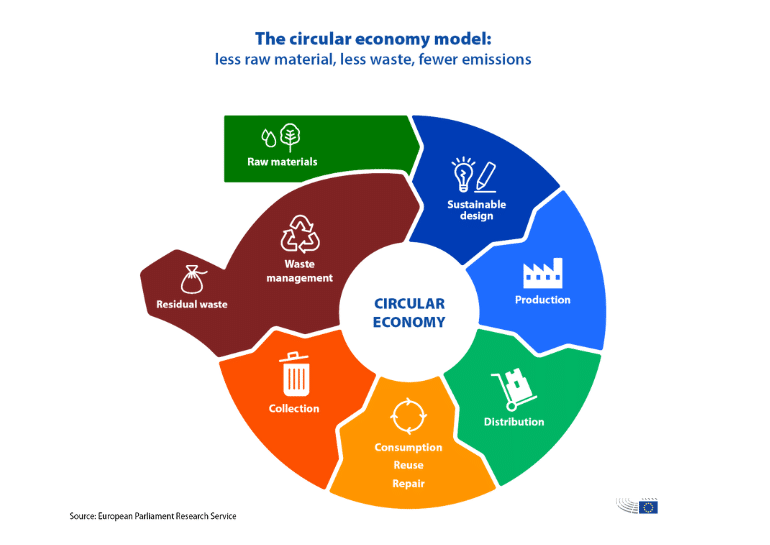


With the surge of fast-fashion brands and global marketplaces, one thing is clear: the textile industry requires stricter regulation. The EU is addressing this through the Digital Product Passport (DPP) for textiles—a transformative tool designed to provide full transparency regarding material composition, origin, and sustainability. Companies are now required to meticulously document their textiles across the entire supply chain. The ultimate goal is to bolster the circular economy and foster sustainable production and consumption patterns. For manufacturers, retailers, and importers, this shift demands a fundamental overhaul of data management, product development, and documentation. Here is everything you need to know.
What is the Digital Product Passport for textiles?
The EU is steering the future toward environmental protection and sustainability. This transition expands the accountability of online marketplaces, while requiring retailers and manufacturers to take full responsibility for their products. The Digital Product Passport (DPP) is a digital information system that tracks a product’s data throughout its entire lifecycle. This structured data collection is easily accessible via QR codes or digital platforms.
Set for implementation by 2027, the textile DPP will provide critical insights to various stakeholders:
Key stakeholders include:
- Consumers: Gain a transparent view of material composition and sustainability, enabling informed, conscious purchasing decisions.
- Authorities: Access legally required product data to quickly identify and remove non-compliant textiles from the market.
- Companies: Document supply chains with greater transparency, proving compliance and contributing to the protection of human rights and the environment.
- Recycling Facilities: Access precise data on materials and recyclability, making the recycling process more efficient and predictable.
The DPP is a cornerstone of the European Sustainable Products Initiative. By making product information permanently available—even after resale, repair, or recycling—the EU aims to extend material lifespans and preserve valuable resources.
Why is the Digital Product Passport being introduced?
The textile industry remains one of the most resource-intensive sectors in the world. Driven by rapid trends and social media influence, the fashion industry generates massive revenue—but with that scale comes a massive responsibility. Fast fashion is notorious for high water consumption, chemical pollution from dyeing, and millions of tons of annual waste. To combat this, the EU is moving beyond basic waste management by introducing the Digital Product Passport.
The passport serves several strategic objectives:
- Driving a functional circular economy
- Ensuring full material traceability
- Supporting repair and reuse initiatives
- Providing consumers with transparent sustainability data
By 2027, the passport will be integrated into the EU Ecodesign Regulation, eventually expanding to cover various product groups. In the long term, this sets a global benchmark for ethical production and high-quality manufacturing standards that respect the environment.
What information does the textile DPP contain?
To be effective, the Digital Product Passport must store comprehensive data starting from the manufacturing stage and continuing throughout the product’s lifespan.
The passport typically includes:
- Detailed material and fabric composition
- The origin of individual raw materials
- Documentation of production stages and supply chain partners
- Guidelines for repair, reuse, and maintenance
- Data on end-of-life recyclability
This data creates a robust foundation for modern product management. Unlike static labels, the DPP allows data to be utilized and updated throughout the textile’s entire lifecycle. Implementing these changes requires significant upgrades to the digital infrastructure of many manufacturers. Delaying these preparations can lead to compliance bottlenecks. We recommend proactive action and offer our expertise to help you navigate these environmental compliance requirements.
The Roadmap: Mandatory Compliance by 2027
Under the ESPR (Ecodesign for Sustainable Products Regulation) work plan, the European Union is phasing in the DPP across various sectors, with textiles taking a leading role. Current projections state that the Digital Product Passport for textiles will become mandatory in 2027. Companies must ensure their products are linked to the required digital datasets to maintain legal and market compliance. This mandate applies to all entities manufacturing, importing, or selling textiles within the EU.
This specifically impacts:
Textile manufacturers Fashion brands and retailers Importers of garments from non-EU countries Online marketplaces (e.g., Shein, Temu)
Technical standards and data formats are currently being finalized to ensure a smooth transition. For international companies, the DPP is not just a regulatory hurdle—it is a vital component of a modern compliance strategy and a tool for ensuring fair market competition.
The Strategic Importance of the Digital Product Passport For many businesses, the DPP will redefine how products are designed, documented, and marketed.
The most significant impacts will be felt in:
Eco-centric product design and material sourcing Digitalized supply chain documentation Enhanced sustainability reporting Advanced data management and IT integration
Companies that adapt early to these guidelines will establish more efficient, legally secure workflows. Furthermore, transparent supply chains build significant trust with consumers, partners, and investors. The Digital Product Passport is a vital building block for sustainable business in Europe. We are here to help you position your brand strategically for this transition. Contact us today or explore other insights on topics like EPR for textiles and EPR verification.
FAQ: The Digital Product Passport for Textiles
What is the Digital Product Passport for textiles?
The Digital Product Passport (DPP) is a digital system that tracks a textile product’s journey throughout its lifecycle. It provides essential data on materials, manufacturing origin, and recyclability to create transparency and promote sustainable production. Companies will be required to store this data in a structured, digitally accessible format.
Why is the EU introducing the DPP for textiles?
The goal is to minimize the environmental footprint of the textile industry. By improving material traceability, stakeholders can make more sustainable choices. Additionally, the DPP makes it easier to repair, reuse, and recycle clothing, supporting the EU’s broader circular economy strategy.
Who is affected by the textile DPP mandate?
The regulation applies to all companies offering textiles on the EU market, including manufacturers, importers, retailers, and online marketplaces. For global businesses, the DPP is a critical part of maintaining compliance within the European trade zone.
What specific data is stored in the product passport?
It includes the chemical and material composition, production steps, and raw material origins. It may also provide technical instructions for repair and end-of-life recycling, aiding both consumers and professional recyclers.
What are the benefits for consumers?
The DPP empowers consumers with instant access to a product’s sustainability credentials. By scanning a code, they can verify origin and quality, leading to more conscious purchasing decisions and increased brand trust.